
Oil Prices Jump Above $90 as Middle East War Disrupts Supply
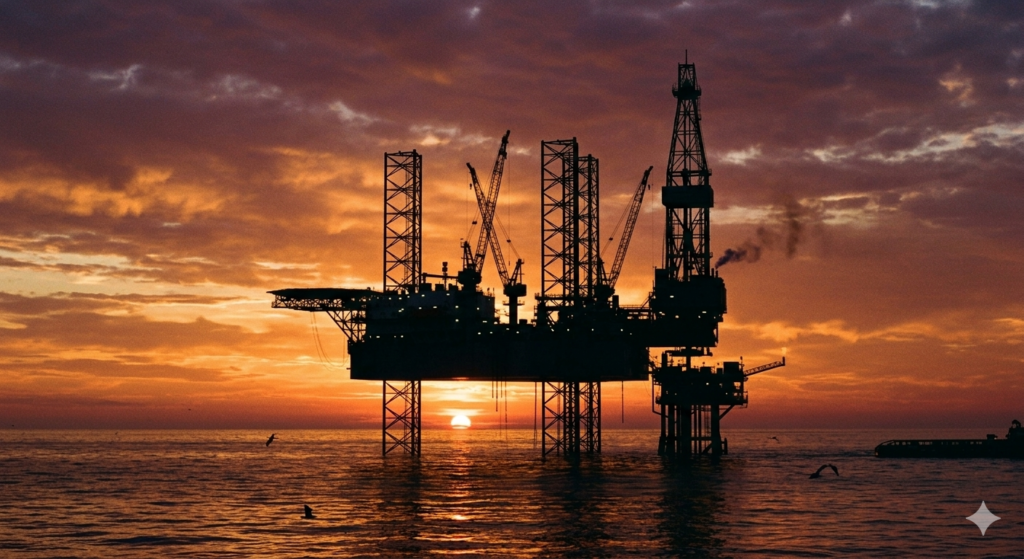
Oil Surges on Iran Conflict; Global Response
Crude oil prices climbed sharply in early March on fears that the U.S.–Israel war with Iran will severely disrupt Middle East supply. By Mar. 6, Brent crude had surged above $92/bbl, the highest level since mid-2022, and U.S. WTI nearly reached $91. This was sparked by coordinated strikes on Iran and reported attacks on tankers in the Gulf, leading Iran to temporarily block shipments through the strategic Strait of Hormuz. As a result, roughly 20% of global oil trade (140 million barrels per day) was effectively choked off.
Analysts warn prices could go much higher: Qatar’s energy minister told the FT that a complete Gulf export shutdown could push oil to $150/bbl. Again, “the worst-case scenario is developing before our eyes,” said oil trader John Kilduff. In practical terms, western refiners scrambled for alternative supplies, intensifying the rally: U.S. crude’s price jump was twice that of Brent on Mar. 6 as flows shifted to U.S. pipelines.
Governments worldwide took notice and announced emergency measures. South Korea moved to cap gasoline and diesel prices. Japan prepared to release strategic reserves. Vietnam cut fuel import tariffs. Indonesia pledged new subsidies for petrol. In China, authorities urged refiners to suspend exports. Even Bangladesh took the drastic step of closing universities (to save energy) and limiting fuel sales. Commodity traders expect this policy support to somewhat cushion local prices, but only a lasting ceasefire will defuse the fundamental shock.
Domestic bond markets also felt pressure: in India the 10-year yield crept up as oil-import costs and RBI interventions tightened liquidity. Overall, the spike in energy costs is being closely watched for its inflationary impact. Morgan Stanley estimates that each $10 rise in oil adds ~0.3–0.4% to headline U.S. inflation with a lag.
Pull quote: “Every day the Strait [of Hormuz] stays closed, prices will go higher,” said UBS analyst Giovanni Staunovo, underlining how fragile global supply has become.